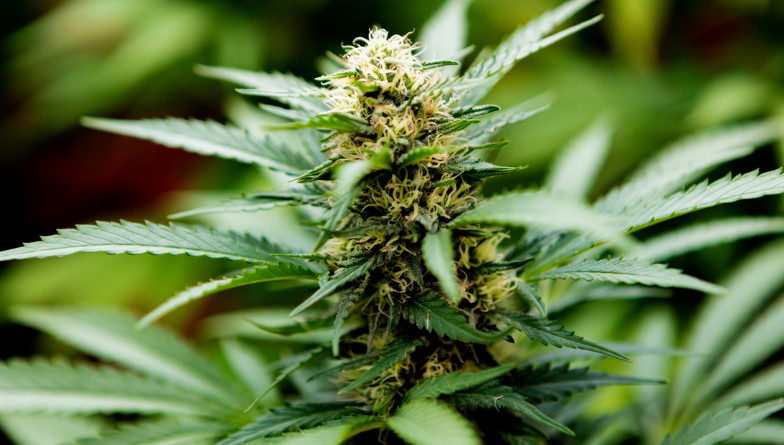
Cannabis flower contains compounds that change with heat. THCA exists before that chemical change takes place. For consumers comparing thca flower vs thc flower difference, this distinction offers useful context. THCA may influence biological pathways linked with inflammation. Its potential depends on chemistry, preparation, absorption, and dosage. Clear understanding starts with what happens before consumption.
THCA Begins As A Different Compound
Fresh cannabis flower contains THCA rather than large amounts of THC. The two compounds share a close chemical relationship. Still, their forms produce different effects after consumption. THCA carries an acidic molecular group that THC lacks. Heat removes that group through a process called decarboxylation. As a result, heated flower develops a stronger THC profile.
That change explains why preparation deserves careful attention. Raw flower keeps more THCA in its original state. Heating instead changes the balance toward THC.
- Fresh flower can retain substantial THCA.
- Heat encourages conversion into THC.
- Raw preparation preserves more acidic cannabinoids.
- Processing can change the final chemical profile.
Inflammation Involves Several Biological Pathways
Inflammation protects tissue after injury or irritation occurs. Problems can arise when inflammatory signaling remains active. THCA has drawn attention because laboratory findings suggest biological activity. Research concepts often involve signaling linked with inflammatory responses. Such findings can help explain potential mechanisms.
However, laboratory activity does not prove human benefit. Human biology adds absorption, metabolism, dosage, and individual differences. Those factors can change how a compound behaves.
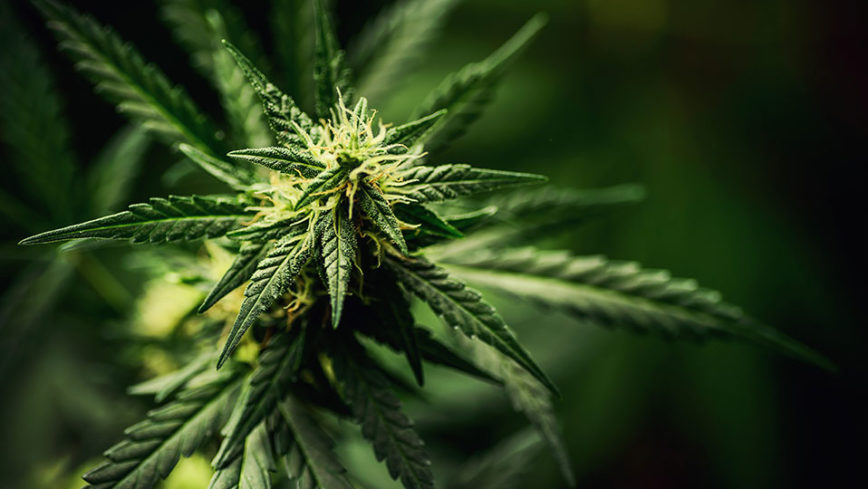
Flower Choice Starts With Cannabinoid Chemistry
The thca flower vs thc flower difference becomes clearer through preparation and chemistry. THCA-rich flower begins with an acidic cannabinoid profile. THC-rich flower contains more of the converted compound. Heating can narrow that distinction by producing additional THC. Therefore, flower selection depends partly on the intended cannabinoid experience.
A product label can also reveal useful concentration details. Cultivar, storage, and processing may influence those measurements. Careful comparison therefore requires more than looking at names.
Heat Can Reshape The Final Cannabinoid Profile
Temperature changes the chemistry of cannabis flower. Greater heat can encourage faster decarboxylation. Longer exposure can also increase conversion from THCA. Because of this, preparation affects the compounds available afterward.
- Lower heat can preserve more THCA.
- Longer exposure encourages additional conversion.
- Raw material retains its acidic form.
- Combustion produces a different cannabinoid balance.
That distinction matters when considering potential biological effects. The starting material and final product can differ considerably.
What Makes THCA Anti-Inflammatory Potential Interesting?
Potential anti-inflammatory activity centers on biological signaling. THCA may interact with pathways involved in immune responses. Such interactions create reasons for further investigation. Yet promising mechanisms require confirmation through stronger human evidence.
Practical interpretation therefore requires restraint. A laboratory observation cannot establish a treatment effect. Absorption and dosage remain important variables. Individual responses can also differ across people and products.
Human Evidence Gives The Chemistry Meaning
THCA research becomes more useful when chemistry meets real outcomes. A compound can influence cells without producing meaningful human benefits. That gap makes clinical evidence especially important. Preparation adds another layer because heat changes THCA into THC.
The key detail is simple: chemistry shifts before consumption ends. A raw flower sample and heated sample may begin together, yet finish differently. That difference can shape both composition and experience.